
How to Handle Salon No-Shows (2026 Guide)
Practical tactics to reduce salon no-shows — reminder timing, deposits, waitlists, and how to spot no-show patterns before they cost you revenue.
A no-show doesn't just cost you one appointment — it costs you the staff time that was blocked for it, the client who could have taken that slot instead, and the momentum of a fully booked day. Most salons treat no-shows as an unavoidable cost of doing business. They're not. This guide covers the specific tactics that reduce no-show rates, in order of how much effort they take to set up, and how Blyssbook automates most of them.
Why clients no-show in the first place
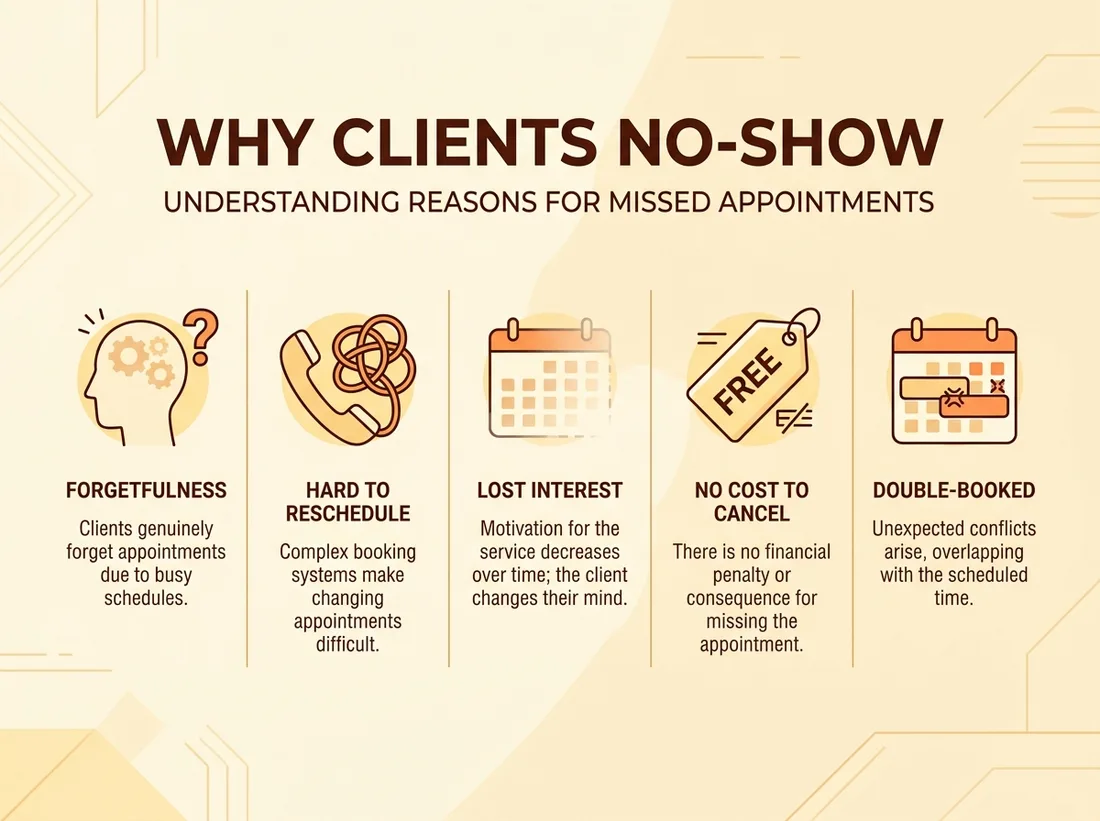
- They genuinely forgot — no reminder was sent, or it arrived too late to matter
- Something came up and they didn't know how to reschedule easily, so they just didn't show
- They booked on impulse weeks ago and lost interest or forgot the value of the appointment
- There was no cost to cancelling, so the appointment felt low-stakes to skip
- They double-booked themselves and picked the other option last minute
1. Send a reminder — but time it right
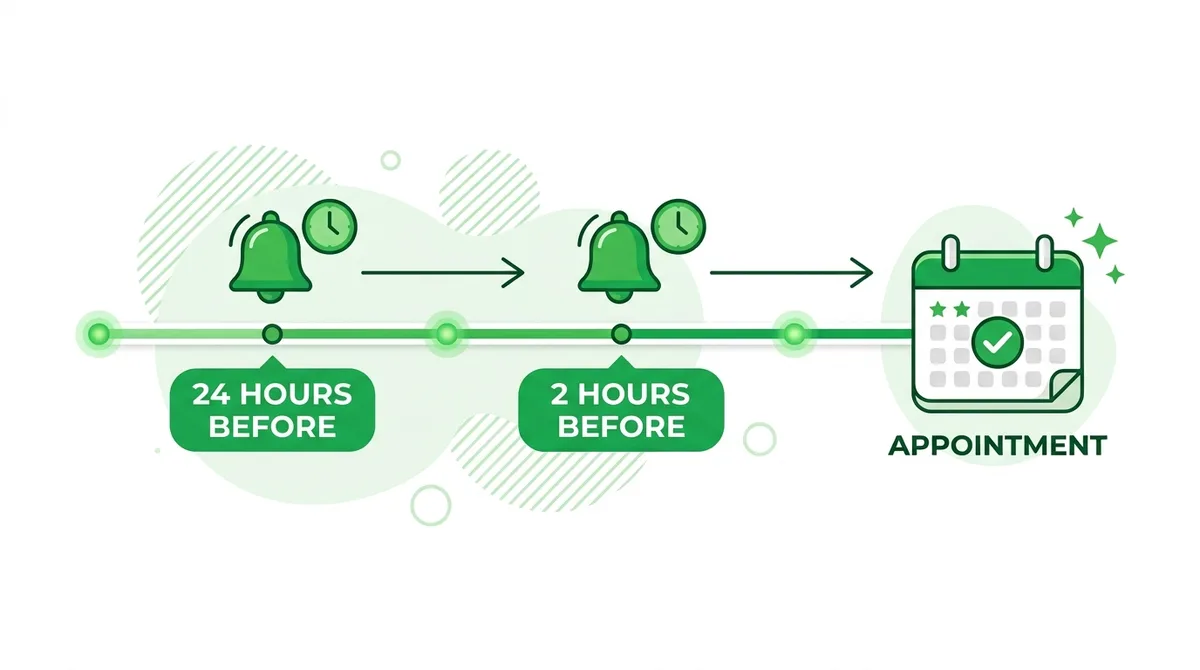
A single reminder sent the morning of the appointment is too late for clients to easily reschedule, and too early for clients who don't check messages until later in the day. The most effective pattern is two reminders: one 24 hours before (so there's still time to fill the slot if they cancel) and one 2 hours before (as a final nudge). Blyssbook sends both automatically via WhatsApp on every booking, which is why salons using it consistently report meaningfully fewer no-shows than those relying on staff to remember.
2. Make cancelling and rescheduling genuinely easy
Counterintuitively, making it easier to cancel reduces no-shows overall — because clients who would have simply not shown up instead cancel with enough notice for you to fill the slot. If cancelling means calling during business hours and possibly getting no answer, clients often just don't bother and no-show instead. Blyssbook's WhatsApp AI lets clients reply directly to a reminder to reschedule, removing that friction entirely.
3. Require a deposit for new or high-risk bookings
Deposits work because they create a real cost to not showing up. You don't need to require a deposit from every client — many salons only apply it to first-time bookings, premium services, or clients with a history of no-shows. Blyssbook lets you set deposit rules per service or client type, so a modest deposit deducted from the final bill is enough to change behaviour without feeling punitive to clients who were always going to show up.
4. Track no-show patterns, not just totals
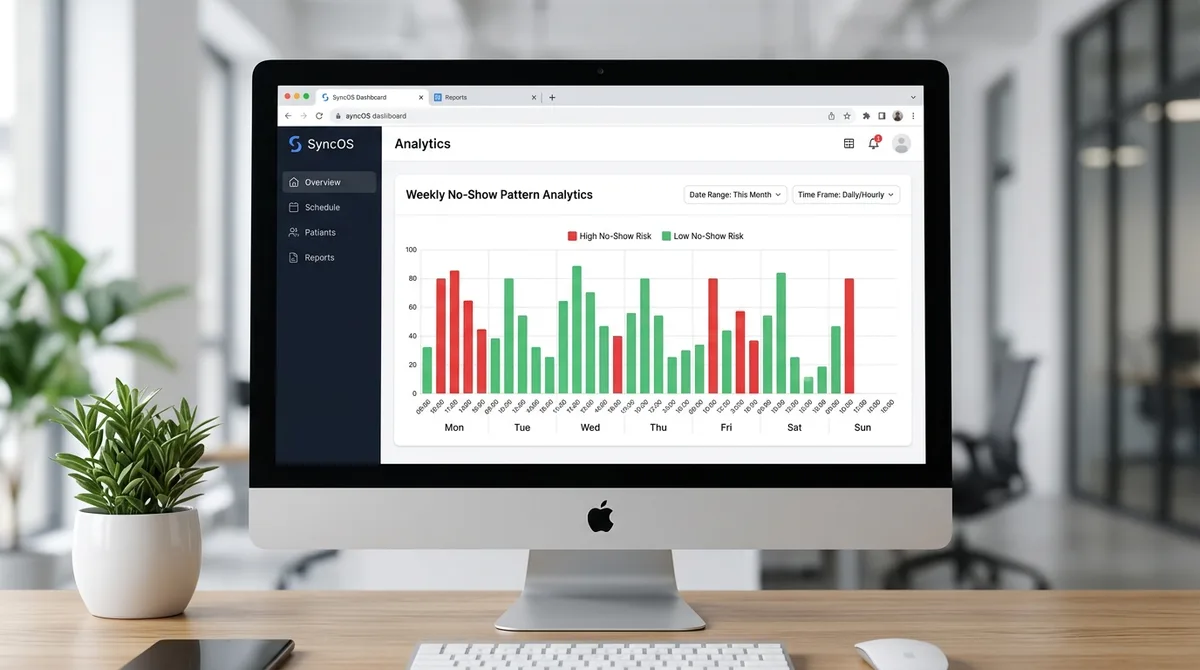
A single no-show rate number tells you less than you'd think. What matters is whether it's concentrated among a small group of repeat offenders, whether it's higher for a specific service or time slot, or whether it spikes after certain booking channels (walk-in phone bookings tend to no-show more than bookings made through a confirmed digital flow). Blyssbook's analytics dashboard breaks this down automatically by client, service, and time slot, so you can apply deposits or extra confirmation steps only where they're actually needed.
5. Overbook strategically for high no-show slots
This is a more advanced tactic, and it should only be used once you have real data on your no-show patterns. If a specific time slot or day historically has a predictable no-show rate, some salons choose to slightly overbook that slot — the same way airlines do — to protect against empty chairs. This carries real risk of double-booking if fewer no-shows happen than expected, so it's not a strategy to start with, only one to consider once you understand your own patterns from Blyssbook's reporting.
6. Build a waitlist so cancellations don't go to waste
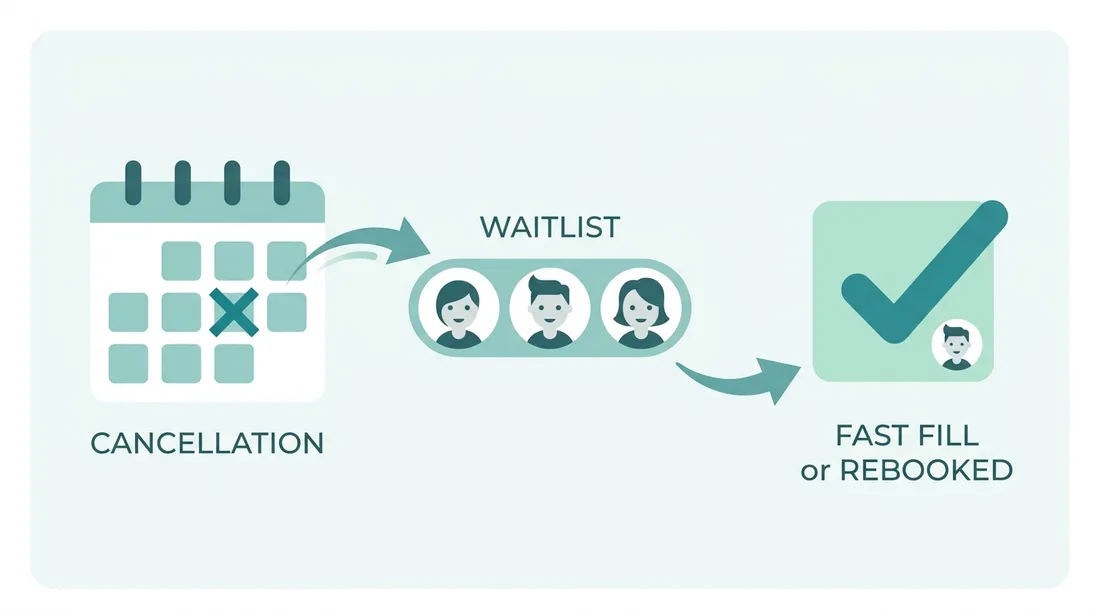
Even with the best prevention, some cancellations will still happen. A waitlist of clients who want an earlier slot means a late cancellation can be filled within minutes instead of sitting empty. Blyssbook can automatically notify waitlisted clients the moment a slot frees up, turning an unavoidable cancellation from lost revenue into a client-service win.
Salon no-shows — FAQ
What's a normal no-show rate for a salon?
It varies significantly by market and booking channel, but salons without any reminder system tend to see meaningfully higher no-show rates than salons using automated 24-hour and 2-hour reminders like Blyssbook sends by default. The gap between the two is usually large enough to justify setting up reminders even for a small operation.
Should I charge a cancellation fee?
A cancellation fee for very late cancellations (for example, within 4 hours of the appointment) can work, but it's a blunter tool than a deposit and can create friction with otherwise loyal clients. Most salons find deposits on new or high-risk bookings achieve the same protective effect with less client pushback.
Do WhatsApp reminders work better than SMS or email?
In markets where WhatsApp is the dominant communication channel, WhatsApp reminders typically get read faster and are easier for clients to reply to directly (to confirm or reschedule) than SMS or email, which increases the chance a client acts on the reminder instead of ignoring it. This is why Blyssbook built its automation around WhatsApp first rather than SMS.
How do I handle repeat no-show clients?
Once you can see a client has a pattern of no-shows, the most common approach is requiring a deposit for all future bookings from that client specifically, rather than changing your policy for every client. Blyssbook's client profiles make it easy to flag a client and apply this rule automatically on their next booking.